





You probably bought a Radiant pool because you wanted something built to last.
Its insulated aluminum walls, energy efficiency, and durable construction set it apart from a traditional above-ground pool. But here’s something many new owners don’t realize: the water isn’t just there for swimming. It’s protecting your pool every single day.
That’s what makes Radiant pool maintenance a little different.
With most pools, people think about water chemistry in terms of clear water and preventing algae. Those things matter, of course, but with a Radiant pool, balanced water also helps protect the pool’s acrylic-coated aluminum walls from corrosion.
At Bachmanns, we’ve helped Wisconsin families care for Radiant pools for decades. We’ve seen firsthand how a simple maintenance routine can keep a pool looking great for years, and how neglected chemistry can create avoidable problems.
If you’re new to pool ownership or simply want to make sure you’re caring for your pool the right way, this guide will walk you through everything you need to know.
If you’re still comparing options, you can also browse Radiant pools to learn what makes them different from traditional above-ground and inground pools.
You can also shop pools at Bachmann to compare above-ground, semi-inground, and inground pools all in one place.

Why Radiant Pools Need a Different Maintenance Routine
Radiant pools aren’t built like most pools.
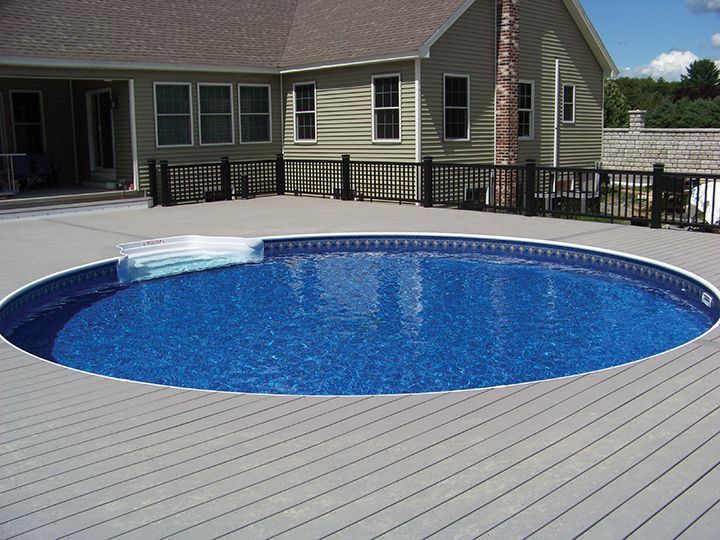
Instead of traditional steel walls, Radiant uses acrylic-coated aluminum walls with R-10 insulated EPS foam panels. According to Radiant, this design helps retain heat, extend the swimming season, and improve energy efficiency.
Aluminum won’t rust like steel. That doesn’t mean it’s maintenance-free. Poor water chemistry can still contribute to corrosion over time, especially if the pool’s chemistry stays out of balance for long periods.
That’s why every maintenance routine has two jobs.
The first is obvious. Keep the water clean, clear, and safe to swim in.
The second is protecting the pool itself. Think of balanced water as preventive maintenance. It helps protect your equipment, your pool surfaces, and your investment, not just today’s swimming conditions.
Radiant’s insulated wall design offers another advantage you’ll probably notice during the swimming season.
Because the walls help retain heat, many homeowners enjoy warmer water earlier in the spring and later into the fall. Radiant even notes that the insulation may extend the swimming season by as much as two months under the right conditions.
There’s one small trade-off. Warmer water can increase sanitizer demand during the hottest parts of summer, making regular testing even more important.
Radiant Pool Water Chemistry: The Numbers That Matter
You don’t need to become a chemist to own a healthy pool. You do need to stay consistent. Five minutes of testing each week is far easier than trying to fix cloudy water, algae, or scaling later.
Here’s what we recommend every Radiant owner keeps an eye on.
| Water Balance | Recommended Range* |
| Free Chlorine | 1–4 ppm |
| pH | 7.2–7.6 |
| Total Alkalinity | 80–125 ppm |
| Calcium Hardness | 150–250 ppm |
| Cyanuric Acid | 30–50 ppm |
*Always follow your water-care system’s recommendations and have your water professionally tested if results seem unusual.
Don’t rely on guesswork. Home test strips are great for weekly checks, but they don’t always tell the whole story.
That’s why we encourage Radiant owners to bring a water sample into Bachmanns throughout the season. Professional water testing catches small chemistry issues before they become expensive repairs.
A little adjustment today is almost always easier, and cheaper, than correcting a major imbalance later.
Chlorine or Salt? Here’s the Honest Answer
This might be the question we hear most often.
“Should I switch to a saltwater pool?”
There’s no universal right answer. Plenty of Radiant owners love saltwater systems because the water feels softer and chlorine levels stay more consistent.
Others prefer traditional chlorine because it’s simple, familiar, and forgiving. Both work well. The difference is the amount of attention they require.
Traditional Chlorine
If you’re looking for the simplest maintenance routine, traditional chlorine is hard to beat.
It’s easy to test, easy to adjust, and works well with Radiant pools when water chemistry stays balanced.
Many first-time pool owners choose chlorine because it offers predictable maintenance without adding another layer of equipment.
Saltwater Systems
Saltwater pools have become increasingly popular, and for good reason.
The system continuously generates chlorine from salt dissolved in the water, so you don’t have to add chlorine as frequently.
Many swimmers also prefer how the water feels.
That doesn’t mean saltwater is a bad choice. It simply means maintenance becomes even more important.
If you own, or plan to install, a saltwater system, Radiant recommends:
- Testing water chemistry more frequently.
- Installing a sacrificial anode to help protect metal components.
- Having your pool properly bonded and checking for stray electrical current.
- Following the manufacturer’s recommended salt levels.
When everything is installed and maintained correctly, saltwater can be an excellent option for a Radiant pool.
The key isn’t avoiding salt. It’s staying ahead of your water chemistry instead of reacting after problems appear.
If you’re deciding between sanitizer systems, we can also help you compare options like SaltScapes®, BioGuard®, and Baquacil® based on your maintenance preferences and how you use your pool.
A Simple Radiant Seasonal Care Routine

One of the easiest ways to avoid expensive repairs is to stay ahead of the seasons.
Wisconsin weather asks a lot of any pool. Opening it properly in the spring and winterizing it correctly in the fall can make the difference between a smooth swimming season and an unexpected repair bill.
Here’s the routine we recommend.
Spring: Start with a Clean Slate
After months under a winter cover, it’s tempting to jump straight into swimming. Spend a little time getting everything ready first.
Your spring opening checklist should include:
- Remove and clean the pool cover before storing it.
- Fill the pool to the proper water level.
- Reconnect the pump, filter, and other equipment.
- Inspect hoses, fittings, and plumbing for leaks.
- Shock the water if needed.
- Balance the water before anyone gets in.
- Have your water professionally tested to catch small chemistry issues early.
Starting the season with balanced water is one of the best things you can do for your Radiant pool.
Summer: Stay Consistent
Summer maintenance doesn’t have to take hours every week. A simple routine goes a long way.
Skim leaves and debris as needed. Brush the walls occasionally to prevent buildup. Vacuum the pool, empty skimmer baskets, and test the water at least once a week.
During stretches of hot weather, keep an eye on sanitizer levels. Because Radiant’s insulated walls help retain heat, warmer water may use chlorine more quickly than you expect.
Don’t forget about your filter, either. A clean filter helps your sanitizer do its job and keeps the water clear. Follow the manufacturer’s recommendations for cleaning or backwashing your sand or DE filter.
Fall: Prepare Before Temperatures Drop
Closing your pool starts long before the first freeze. As the swimming season winds down, give the pool a thorough cleaning and make sure the water is properly balanced.
Taking care of leaves and debris before closing makes spring opening much easier.
Winter: Protect Your Investment
Radiant pools are built for cold climates, and the company backs them with a lifetime warranty that includes protection against winter damage. That should give you confidence, not an excuse to skip proper winterizing.
Before closing your pool:
- Remove ladders, cleaners, toys, and floating accessories.
- Lower the water level according to your closing method.
- Blow out and plug plumbing lines.
- Add winterizing chemicals.
- Install and secure the winter cover.
One thing you should never do is drain the pool completely and leave it empty. Water helps support the pool structure throughout the winter.
Don’t Forget About the Outside of the Pool
Most maintenance guides focus on the water. Radiant owners should also pay attention to what’s happening outside the walls.
Standing water, poor drainage, and constantly saturated soil can create unnecessary moisture around the exterior of the pool, particularly on semi-inground and inground installations.
If your yard tends to stay wet after heavy rain, improving drainage around the pool can help protect your investment over the long term.
Electrical bonding also plays an important role.
Proper bonding helps improve safety and can reduce the risk of corrosion caused by stray electrical current. If electrical work is needed, it’s always best handled by a qualified electrician who follows current code requirements.
At the end of the day, though, the simplest form of corrosion prevention is still the same one we started with: Keep your water balanced.
Related Post: Types of Radiant Pools
Your Radiant Pool Maintenance Checklist
Pool care becomes much easier when you break it into small, consistent tasks.
Every Day
- Remove leaves and floating debris.
- Check that the pump and filter are operating normally.
Every Week
- Test water chemistry.
- Adjust sanitizer and pH if needed.
- Brush walls and steps.
- Vacuum the pool.
- Empty skimmer and pump baskets.
Every Month
- Clean or backwash the filter.
- Inspect equipment for leaks or unusual wear.
- Bring a water sample in for professional testing.
A few minutes each week is usually all it takes to prevent most common pool problems. Keeping up with these small tasks throughout the season helps prevent bigger problems later.
If you’d rather spend more time swimming and less time maintaining your pool, explore pool care plans to find a maintenance option that fits your needs.
When It’s Time to Call the Pros
Some jobs are worth doing yourself.
Others are easier and often less expensive in the long run when an experienced technician handles them.
If your water won’t stay balanced, your equipment isn’t working properly, or you’re opening or closing your pool for the season, we’re here to help.
At Bachmanns, our Certified Water Care team supports Radiant owners with:
- Free in-store water testing
- Water care products
- Seasonal openings and closings
- Equipment inspections and repairs
- Ongoing maintenance advice
Our goal is simple.
Help you spend more time enjoying your pool and less time trying to troubleshoot it.
Keep Your Radiant Pool Looking Its Best
Owning a Radiant pool doesn’t mean spending every weekend testing chemicals or fixing problems.
It means staying consistent.
Balanced water helps protect your pool’s walls, equipment, and long-term performance. Add a simple seasonal routine, and you’ll be giving your pool exactly what it needs to look great for years to come.
If you ever have questions about Radiant pool maintenance, stop by Bachmanns in Madison or Brookfield with a water sample or schedule seasonal service with our team. We’ll help you keep your pool clean, balanced, and swim-ready from opening day to closing day.
Radiant Pool Maintenance FAQs
How often should I test my Radiant pool water?
Test your water at least once a week during the swimming season. If you’re using a saltwater system or temperatures stay unusually hot, more frequent testing is a good idea.
Can I use a saltwater system with a Radiant pool?
Yes. Radiant pools are compatible with saltwater systems. They require the same routine water chemistry as any pool, plus proper bonding and a sacrificial anode – one-time installation steps that help protect metal components.
Do Radiant pools rust?
No. Radiant pools use acrylic-coated aluminum walls, so they don’t rust like steel pools. Aluminum can still corrode over time if water chemistry isn’t properly maintained.
How do I winterize a Radiant pool?
Clean the pool, balance the water, blow out plumbing lines, add winterizing chemicals, install the winter cover, and never leave the pool empty during winter.
Does the insulated wall change how I maintain the water?
The maintenance routine stays largely the same, but because insulated walls help retain heat, sanitizer demand can increase during warmer periods. Regular testing helps keep chemistry balanced.