






Indoor vs Outdoor Sauna: Which Works Better for Your Wisconsin Home
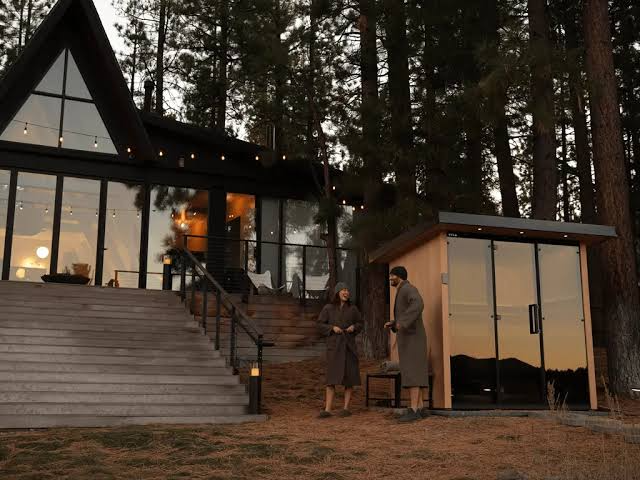
Choosing between an indoor and outdoor sauna isn’t just a question of where you have enough room. In Wisconsin, each location comes with a different installation plan.
An indoor sauna means thinking carefully about the existing room, including ceiling height, ventilation, insulation, and electrical access. An outdoor sauna shifts the conversation to the surface it will sit on, the electrical run from the house, winter access, and local permit requirements.
The right indoor vs outdoor sauna setup comes down to your property, the sauna you choose, and where you want the experience to fit into your home and routine.
Here’s what to consider before choosing a location.
How Far From the House Will Your Outdoor Sauna Be?
Wisconsin’s long-term average winter temperature is just 16.1°F. Annual snowfall ranges from roughly 30 inches in southern Wisconsin to more than 100 inches in parts of the north.
So, before choosing an outdoor sauna, walk from your proposed location to your back door. Now picture doing it barefoot or in sandals after a 180°F sauna session in February.
A sauna immediately off an attached deck is very different from a cabin 50 feet into the yard. If you go detached, consider path lighting, snow removal, a covered walkway or breezeway, and positioning the entrance where drifting snow and prevailing wind won’t make access unnecessarily difficult.
There are also situations where that walk becomes part of the experience. If you’re building a dedicated wellness area with a cold plunge beside the sauna, for example, separating it from the house may be exactly what you want.
What an Outdoor Sauna Actually Costs to Install in Wisconsin
The sauna itself isn’t the entire project. A backyard installation may also require site preparation for a level, solid surface, along with electrical work and any applicable permits. Distance matters because positioning the sauna farther from the house can mean a longer electrical run and additional labor and materials.
Before comparing unit prices, look at the complete home sauna cost and installation requirements. If the backyard option still fits the project, explore Bachmann’s outdoor saunas to see designs intended specifically for that setting.
What Should an Outdoor Sauna Sit On?
A stable, level surface is essential before an outdoor sauna is installed. Bachmann’s outdoor sauna kits are designed to sit on a solid base, such as a concrete pad, pavers, or an appropriate platform.
The exact preparation will depend on the existing site, but the goal is the same – create a level, properly supported surface before the sauna is placed.
This is worth planning early. Site preparation can affect both the installation timeline and the total cost of adding an outdoor sauna.
Running 240V to a Detached Building: The Part Nobody Quotes Upfront
Traditional electric sauna heaters commonly require a dedicated 240V circuit sized for the heater’s kW output.
For an indoor sauna, that electrical run may be relatively short. Put the same heater in a detached backyard structure and the project can involve trenching, conduit or an approved underground wiring method, and potentially additional electrical equipment depending on the design.
This is licensed-electrical work, not a DIY extension-cord solution. Wisconsin regulates electrical wiring work, while permitting and inspection authority may sit with the municipality or DSPS depending on the location.
Electrical requirements should be planned while you’re choosing the sauna and its location, not after the sauna is already on site. The required electrical work should be completed by an appropriately licensed electrical professional in accordance with the heater specifications and applicable local requirements.
Putting a Sauna in a Finished Basement: Ceiling Height, Vapor Barrier, and Moisture
The advantage of a basement sauna is obvious: it’s warm, accessible, protected from weather, and close to the rest of the house.
But converting an existing room requires more than installing wood paneling and a heater.
A properly built traditional sauna needs appropriate insulation, a correctly installed vapor barrier, ventilation, and a layout that accounts for ceiling and bench height. Each of those details affects how comfortably the sauna performs and how well the surrounding space handles repeated heat and humidity.
Why a Correctly Built Indoor Sauna Doesn’t Create a Mold Problem
Heat and humidity don’t automatically equal mold. Problems arise when moisture repeatedly reaches areas where it can’t dry. A properly designed vapor barrier helps prevent sauna moisture from migrating into wall and ceiling assemblies, while appropriate ventilation allows the space to dry after use.
After each session, leaving the sauna open to dry and following a consistent sauna maintenance routine can help prevent moisture from lingering on interior surfaces.
Ceiling Height, Bench Position, and Heat Distribution
Hot air rises, which sounds obvious until you’re sitting too low in a sauna with an unnecessarily high ceiling.
Bench height and ceiling height work together. If the ceiling is too high relative to the upper bench, the hottest air and steam collect above the bathers instead of around them. When comparing sauna sizes, think about usable space and bench placement rather than assuming a larger room will create a better sauna experience.
Which Tylö Sauna Type Belongs Outdoors in a Cold Climate?

Placement also affects which sauna technology makes sense.
A Tylö Traditional Sauna uses a heater and stones to create the classic high-temperature sauna environment, making traditional electric heat a natural fit when you want the full sauna experience outdoors.
Tylö Infrared Saunas work differently, heating the body primarily through infrared energy rather than heating the room to traditional sauna temperatures. In an outdoor Wisconsin installation, however, the enclosure and equipment must be specifically designed for those ambient conditions; an indoor infrared cabin shouldn’t simply be relocated outdoors.
Hybrid Saunas combine traditional and infrared experiences for owners who want both options in one space.
If you’re still weighing the different types of sauna, the bigger question isn’t simply which technology sounds best, but which one fits your preferred experience, installation location, and Wisconsin’s climate.
How Outdoor Temperatures Affect Preheating
An outdoor sauna in Wisconsin may start from a much colder ambient temperature than an indoor sauna. Wisconsin’s long-term winter average is 16.1°F, while an indoor sauna typically starts much closer to normal household temperature.
That larger temperature difference can affect how long the space takes to warm up, particularly during the coldest part of winter. Insulation, construction quality, and the amount of glass in the sauna also influence heat loss and warm-up time.
Proper heater sizing matters equally for indoor and outdoor saunas. The heater should always be matched to the sauna’s volume and construction according to the manufacturer’s specifications.
Permits, Setbacks, and Detached-Structure Paperwork
Before choosing the final location for an outdoor sauna, check the rules that apply to your property.
Depending on the municipality and project, a detached sauna may need building and/or electrical permits and may be subject to setback or accessory-structure requirements. HOA rules may add another review.
Wisconsin’s permitting structure varies by location, with some authority delegated to municipalities. Check the requirements for your address rather than assuming a permit is, or isn’t, required.
Snow and Winter Access
Wisconsin snowfall varies considerably by location, from about 30 inches annually in the south to more than 100 inches in parts of the north.
Bachmann’s two outdoor sauna kits already feature pitched roofs with overhangs, so homeowners don’t need to design the roof around Wisconsin snowfall. What does require some planning is the area around the sauna.
Think about where snow tends to accumulate on your property, how you’ll keep the route to the sauna clear, and whether the door will remain easily accessible after a heavy snowfall. A little thought about placement before installation can make winter access considerably simpler.
Indoor vs Outdoor Sauna: Which One Makes Sense for Your Property?
There isn’t one location that works best for every Wisconsin home.
- Finished basement with adequate ceiling height: An indoor sauna can make excellent use of existing conditioned space, particularly when the room can accommodate the necessary insulation, ventilation, and electrical requirements.
- Basement with limited ceiling height: Look carefully at the sauna dimensions and bench configuration before committing to the space. A room that technically fits a sauna isn’t necessarily the best room for one.
- Attached deck or patio: This can be a convenient location for an outdoor sauna, provided you have an appropriate level, solid surface and can meet the electrical and local installation requirements.
- Detached backyard location: Consider the electrical distance, winter access, and site preparation before choosing the final position.
- Lakefront or cabin property: An outdoor sauna can fit naturally into a property where the surrounding landscape is already part of the sauna experience.
- Cold-plunge pairing: Placing an outdoor sauna and cold plunge in the same area can create a dedicated hot-cold setup without moving between different parts of the property.
The best indoor vs outdoor sauna choice is the one that works with the available space, installation requirements, and how you want to use the sauna throughout the year.
Explore Tylö Saunas at Bachmann’s
Buying online makes it easy to compare dimensions. It doesn’t let you sit inside the sauna, judge the bench layout, understand the heater, or talk through what installation looks like at your Wisconsin home.
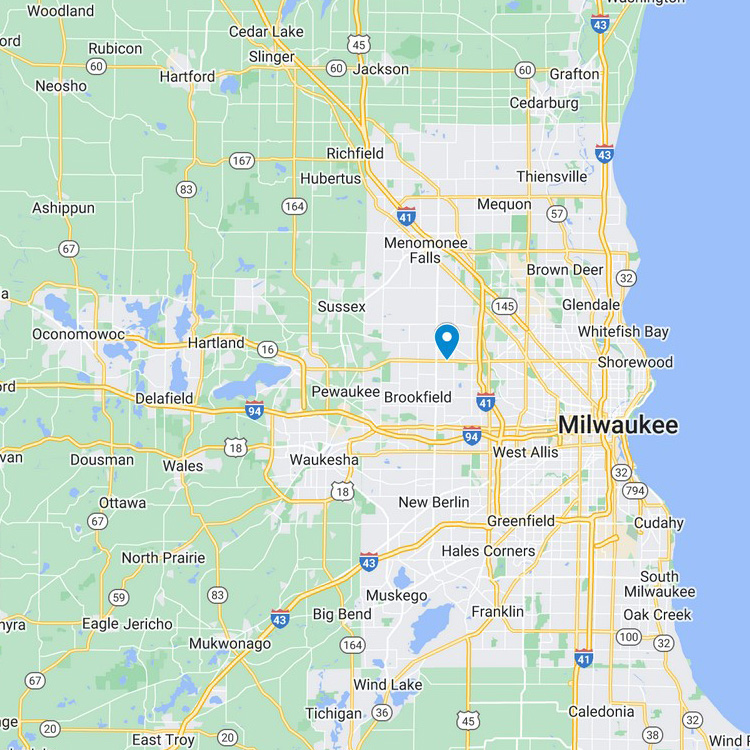
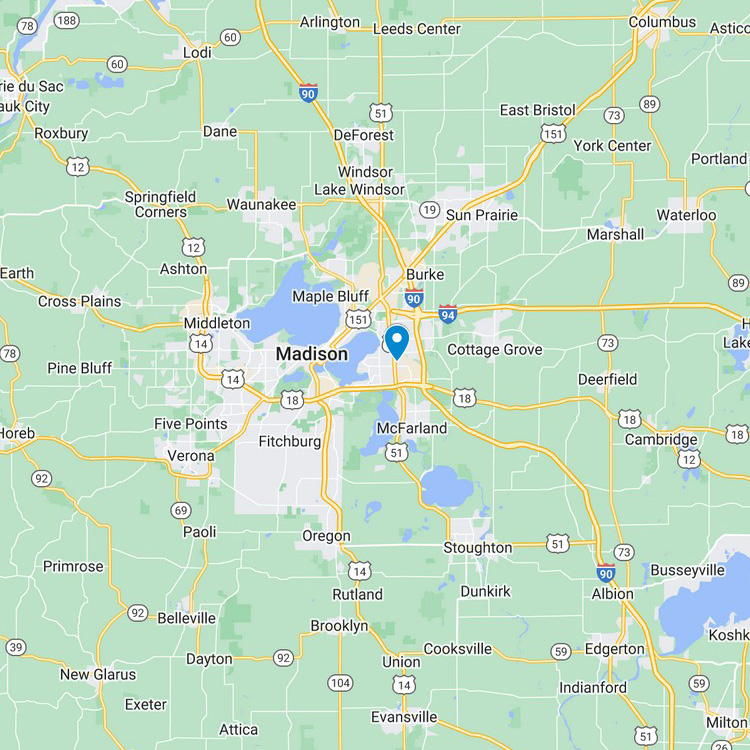
Explore Tylö saunas at Bachmann’s or visit Bachmann’s in Madison or Brookfield to compare options in person and discuss where your sauna will work best.
Indoor vs Outdoor Sauna FAQs
Is an indoor or outdoor sauna better?
Neither is inherently better. An indoor sauna can work well when you have suitable conditioned space with the necessary ceiling height, ventilation, insulation, and electrical access. An outdoor sauna can be an excellent choice when you have an appropriate level, solid surface and want the sauna to become part of your backyard or outdoor wellness space.
Can you put a sauna in a basement?
Yes. A basement can be an excellent location when ceiling height, insulation, vapor control, ventilation, electrical requirements, and the surrounding room are properly addressed.
Do outdoor saunas work in Wisconsin winters?
Yes. Outdoor saunas designed for Wisconsin conditions can be used throughout the winter. Cold outdoor temperatures can affect warm-up time, so insulation and construction quality matter, while the heater should always be correctly sized for the sauna according to the manufacturer’s specifications.
Do I need a permit for an outdoor sauna in Wisconsin?
Potentially. Requirements vary by municipality and project scope. A detached sauna may trigger electrical, building, setback, or accessory-structure requirements, so check with the authority having jurisdiction before beginning installation.