





Sauna Heater Maintenance and Sauna Rock Care
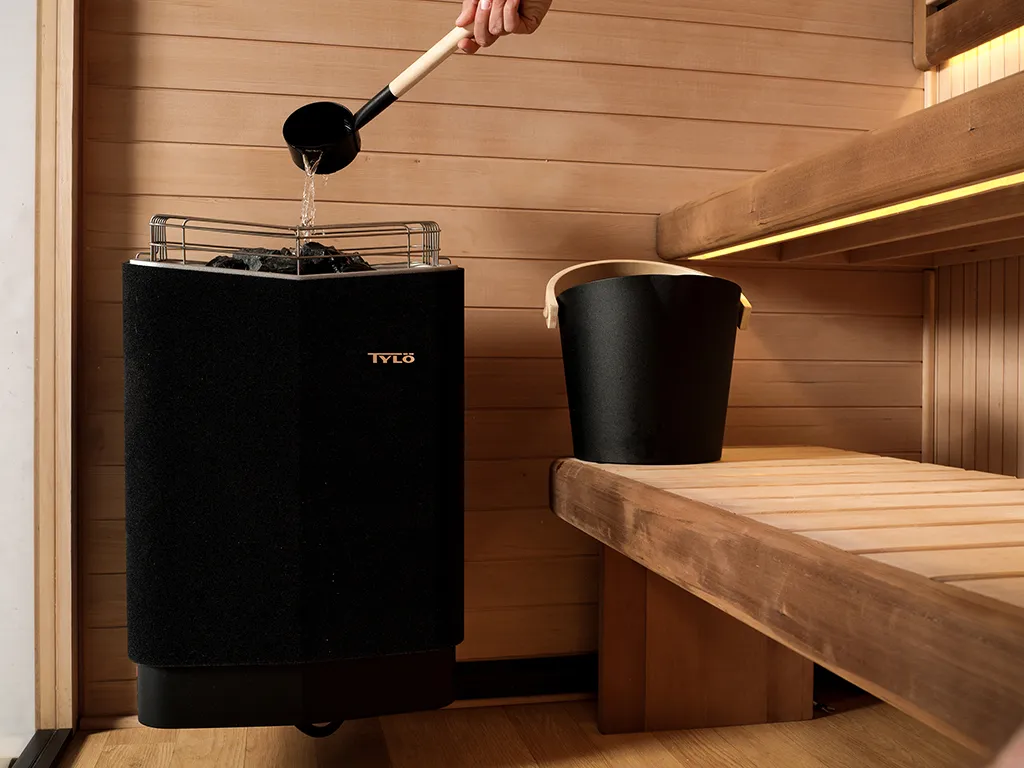
Sauna heater maintenance is another major part of long-term sauna ownership.
In traditional saunas, the rocks play an important role in airflow, heat distribution, and steam production. Over time, rocks crack, crumble, and compact from repeated heating cycles.
Most homeowners should inspect sauna rocks every 6–12 months and replace them every 1–3 years depending on usage frequency.
When restacking rocks, avoid packing them tightly. Proper airflow around the heating elements improves heater efficiency and helps prevent overheating.
For traditional saunas using Tylö Sense, Sense Mini, Sense Bliss, or Crown heaters, basic maintenance includes wiping down the heater exterior with a dry cloth and checking that vents remain clear of dust or debris.
Do not spray water directly onto electrical heater components.
ThermoSafe™ surfaces, IntelliAir™ ventilation systems, and Bliss Controls should also be checked periodically for proper operation.
Infrared Sauna Maintenance
Infrared sauna maintenance is generally simpler because there are no sauna rocks or steam systems involved.
When homeowners ask how to clean an infrared sauna, the most important rule is protecting the infrared panels themselves.
In infrared saunas using CarbonFlex® panels, wipe the panels gently with a soft, dry cloth. Avoid liquid cleaners directly on or near the panels.
The rest of the sauna can still be cleaned using the same mild soap-and-water approach used in traditional saunas.
Because infrared saunas operate with lower humidity, moisture-related issues are generally less aggressive. However, regular wiping and ventilation still help preserve the wood and maintain a clean interior.
For homeowners shopping for hybrid saunas, maintenance combines aspects of both traditional and infrared sauna care.
Outdoor Sauna Maintenance in Wisconsin’s Four-Season Climate
Outdoor sauna maintenance becomes especially important in climates like Madison and Brookfield, Wisconsin, where freeze-thaw cycles, snow, rain, and humidity all affect exterior materials throughout the year.
Outdoor saunas should be inspected seasonally for roof wear, flashing issues, siding damage, and moisture intrusion.
In spring, inspect for freeze-thaw damage and clean the exterior thoroughly after winter.
In summer, check ventilation and retreat exterior wood surfaces if needed. Exterior-only treatments are acceptable outdoors, but interior sauna wood should still remain untreated.
Fall is the ideal time to remove leaves and debris, inspect electrical systems before heavy winter usage, and check door seals for wear.
During winter, clear snow buildup from roofs and entrances regularly. Outdoor saunas may also require slightly longer warm-up times during extremely cold weather.
Modern outdoor saunas like the Tylö Lulea™ Collection are specifically engineered for year-round climates and include features such as insulated construction and metal roofing designed for four-season environments.
Related Post – Sauna Sizes Explained
Common Sauna Problems and Simple Fixes
Many common sauna issues are relatively easy to correct early.
A musty smell usually points to trapped humidity or poor airflow. Leaving the door open longer after sessions and running the heater briefly after use often solves the problem.
Dark sweat stains on benches are common in high-use saunas and usually respond well to light sanding.
If the heater struggles to reach full temperature, inspect the rocks first. Crumbling or tightly packed rocks can restrict airflow and reduce efficiency.
Squeaky doors or loose hardware generally require tightening rather than lubrication. Petroleum-based lubricants should not be used inside sauna interiors.
Electrical issues, heater fault codes, or control malfunctions should always be handled professionally.
How Much Does Sauna Maintenance Cost?
Most sauna maintenance costs are relatively low compared to the cost of replacing damaged wood or failed heaters.
Routine DIY cleaning typically only requires:
- Mild soap
- Towels
- A soft brush
- Fine-grit sandpaper
Sauna rock replacement usually costs between $30–$100 depending on heater size and rock quantity.
Professional service costs vary depending on the issue and location, but preventative maintenance is almost always less expensive than major heater or electrical repairs.
In practice, the biggest cost savings come from consistency. Simple weekly and monthly care dramatically extends the lifespan of the sauna.
Sauna Maintenance FAQs
How often should you clean a sauna?
Light cleaning after each use is ideal, with deeper cleaning weekly or monthly depending on how frequently the sauna is used.
Can you sand sauna benches?
Yes. Fine-grit sandpaper safely removes sweat stains and restores the natural appearance of the wood.
How do you maintain an outdoor sauna in winter?
Clear snow regularly, inspect door seals, maintain airflow, and allow additional warm-up time during extremely cold weather.
Do saunas need professional servicing?
Yes, saunas need professional servicing for electrical systems, heater inspections, and control-panel troubleshooting.
Long-Term Sauna Maintenance Starts With Consistency
Good sauna maintenance is mostly about consistency, not complexity.
Regular cleaning, proper wood care, routine heater checks, and seasonal inspections help your sauna stay beautiful, hygienic, and comfortable for decades. Small maintenance habits also protect the long-term value of your investment while helping the sauna perform the way it was designed to.
Bachmann offers premium Tylö traditional, infrared, hybrid, and outdoor saunas throughout the Madison and Brookfield area, along with expert installation guidance and ongoing service support.
To explore Tylö sauna collections in person or get help with sauna maintenance, replacement parts, or service questions, visit Bachmann’s showroom or connect with a sauna specialist today.