





The price tag hanging from a hot tub tells you something. It just doesn’t tell you the whole story.
So, how much does a hot tub cost in 2026? The answer depends on far more than size. Entry-level plug-and-play spas can keep the initial investment down, while mid-range and premium models add stronger insulation, more powerful jet systems, upgraded materials, and other features.
Then there are the costs that don’t necessarily appear on the showroom price tag: delivery, site preparation, electrical work, water care, and electricity.
For Wisconsin homeowners, those details matter. A hot tub that looks inexpensive upfront may not be the least expensive one to own through years of freezing winters.
Here’s how to look beyond the sticker price and build a realistic hot tub budget. You can also explore Bachmann’s hot tubs to see the options available.
Hot Tub Prices at a Glance

If you’re trying to figure out how much does a hot tub cost, one average price won’t tell you much. A compact 110V model and a premium multi-person spa are very different purchases.
A more useful way to understand the hot tub price range is to divide the market into three broad tiers:
| Tier | Typical Price Range | Best For |
| Entry-Level / Plug-and-Play | $5,499 – $12,999 | First-time buyers, smaller spaces, lower upfront budgets |
| Mid-Range | $13,999 – $26,499 | Families looking for a balance of features, performance, and value |
| Luxury / Premium | $17,499 – $27,999 | Buyers prioritizing premium features and long-term ownership |
Those purchase prices are only the starting point. The actual cost of owning a hot tub also depends on installation requirements and what it costs to operate and maintain the spa over time.
Hot Tub Cost by Price Tier
Entry-Level and Plug-and-Play Hot Tubs
Plug-and-play spas appeal to buyers for an obvious reason: simplicity. Many operate on a standard 110V connection, which can eliminate the need to have an electrician install a dedicated 220V circuit.
They also tend to be smaller, with fewer jets and simpler insulation systems. That helps keep the initial hot tub cost lower.
The trade-off becomes more noticeable in a cold climate. A less powerful heating system may take longer to bring the water back to temperature, while limited insulation can increase heat loss during a Wisconsin winter. Saving at purchase, in other words, doesn’t automatically mean saving over the life of the spa.
Mid-Range Hot Tubs
This is where buyers typically start seeing substantial upgrades in insulation, seating capacity, jets, pumps, and overall construction.
Many mid-range spas use 220V electrical service and are designed for homeowners who expect to use their hot tub regularly rather than occasionally. Better insulation is especially worth considering in Wisconsin, where keeping heat inside the cabinet affects both comfort and operating costs.
For many households, this tier offers a practical balance between upfront price and long-term performance.
Luxury and Premium Hot Tubs
Premium models push further into hydrotherapy, construction quality, controls, finishes, and energy efficiency. Depending on the model, buyers may find more sophisticated jet configurations, upgraded shells and cabinetry, advanced controls, and stronger warranty coverage.
The higher purchase price is real. The question is whether the features you’re paying for are features you’ll actually appreciate and use over years of ownership.
What Drives Hot Tub Price?
Two hot tubs with similar exterior dimensions can have surprisingly different prices. Look beneath the cabinet, and the reasons become clearer.
Jets and pumps affect both performance and price. More jets may require more powerful or additional pumps, which adds to the spa’s mechanical system and electrical demand.
Insulation deserves particular attention in Wisconsin. Full-foam and other high-performance insulation systems help reduce heat loss, while less insulated models may require more energy to maintain water temperature in cold conditions.
Shell and cabinet construction also matters. Acrylic quality, structural reinforcement, cabinet materials, and weather resistance all contribute to manufacturing cost and long-term durability.
Then there’s capacity. A larger spa requires more materials, holds more water, and can affect heating and chemical use. Comparing hot tub sizes and dimensions before shopping can help you avoid paying for seats and water capacity you don’t actually need.
Voltage is another consideration. A 110V plug-and-play model simplifies setup, while a 220V spa generally requires professional electrical work.
Finally, features such as lighting, waterfalls, audio, smart controls, and premium finishes can move a model into a higher price tier. Brand reputation and warranty coverage matter as well, particularly when you’re buying equipment you expect to own for years. Bachmann’s guide to the top hot tub brands explains what to consider when comparing manufacturers.
Hot Tub Installation and Delivery Costs
The hot tub installation cost is where budgets can get caught off guard.
Your hot tub delivery cost can vary according to distance and how easily the installation area can be reached. A straightforward delivery to an accessible backyard is very different from getting a spa over a fence, around tight landscaping, or into a location requiring a crane.
The spa also needs a stable, properly prepared base. Depending on the property and model, that could mean a concrete pad, reinforced deck, or suitable gravel base.
For a 220V spa, budget for a licensed electrician as well. Electrical work may include the required circuit, wiring, GFCI disconnect, and applicable permitting. Plug-and-play spas can simplify this part of installation because they typically don’t require the same hardwired electrical setup.
Above-Ground vs. Inground Hot Tub Costs
An above-ground hot tub installation cost is generally tied to delivery, site preparation, and electrical requirements. Because the self-contained spa arrives largely assembled, installation is comparatively straightforward.
An inground hot tub cost, however, involves a different type of project. Excavation, construction, plumbing, electrical work, surrounding hardscape, and site-specific design can all become part of the budget.
If you’re comparing the two, don’t compare spa prices alone. Compare the completed projects.
Hot Tub Running Costs and Ongoing Ownership
Buying the spa happens once. Running it happens every day.
Electricity Costs
Your hot tub electricity cost depends on the spa’s insulation, water temperature, cover condition, usage habits, outdoor temperatures, and energy efficiency. As a general benchmark, running a well-maintained hot tub can average around $1 per day in electricity.
Wisconsin weather makes heat retention particularly relevant. A well-insulated cabinet and properly fitting cover help keep the heat you’ve already paid to produce from escaping.
Chemicals and Water Care
The cost of hot tub maintenance should also include sanitizer, water-balancing products, test strips, and other routine water-care supplies.
Regular care isn’t simply another expense to add to the spreadsheet. Maintaining proper water chemistry protects the bathing experience and helps care for the spa’s components.
Cover Replacement
A cover doesn’t last indefinitely. As it ages or becomes damaged, its ability to retain heat can decline.
That makes eventual cover replacement part of a realistic long-term budget. A properly fitting, well-maintained cover can also help reduce unnecessary heat loss between uses.
Filters and Routine Servicing
Filters need regular cleaning and periodic replacement, while pumps, heaters, jets, and other components may eventually require professional attention.
Preventive care can help owners spot small issues before they become larger repairs. These hot tub maintenance tips cover the routine tasks worth building into your ownership schedule.
This is also why sticker price shouldn’t make the decision by itself. Over a decade of ownership, an inexpensive but poorly insulated spa can potentially cost more to operate than a better-insulated mid-range model.
How to Choose the Right Hot Tub for Your Budget
Start with what you’ll genuinely use. Decide how many people will regularly use the spa, which hydrotherapy features matter to you, and which extras you could happily skip.
When asking how much does a hot tub cost, remember that the showroom price is only one part of the answer. Your budget should also account for delivery, the base, electrical work, routine maintenance, and expected running costs.
For Wisconsin homeowners in particular, pay close attention to insulation and energy efficiency. Saving money on a feature you’ll never use makes sense. Saving money on the parts of the spa that determine how well it performs through winter may not.
And before buying, get an installation estimate based on your actual property. That’s far more useful than relying on a generic online number.
Shop Hot Tubs at Bachmann’s
Hot tub pricing makes more sense once you can compare what you’re actually getting for the money.
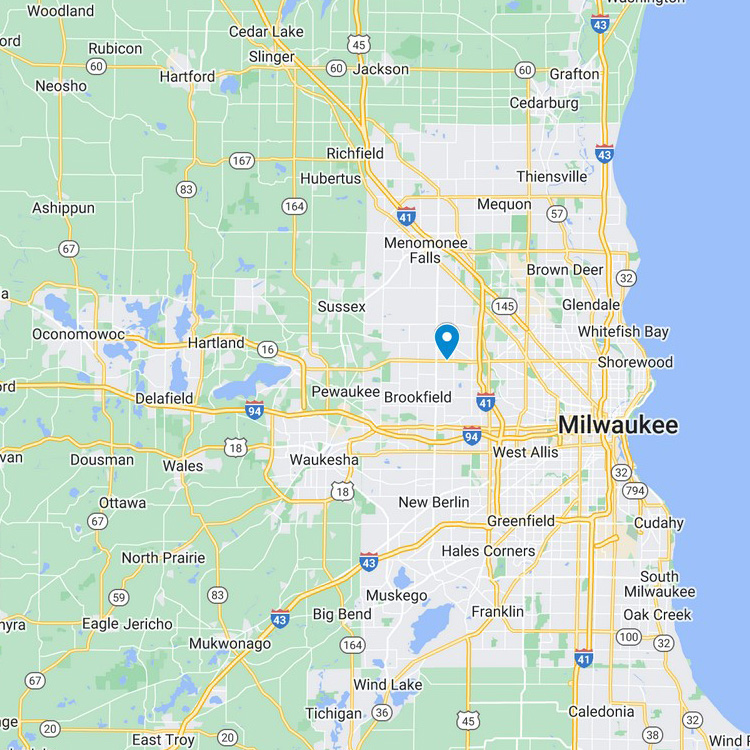
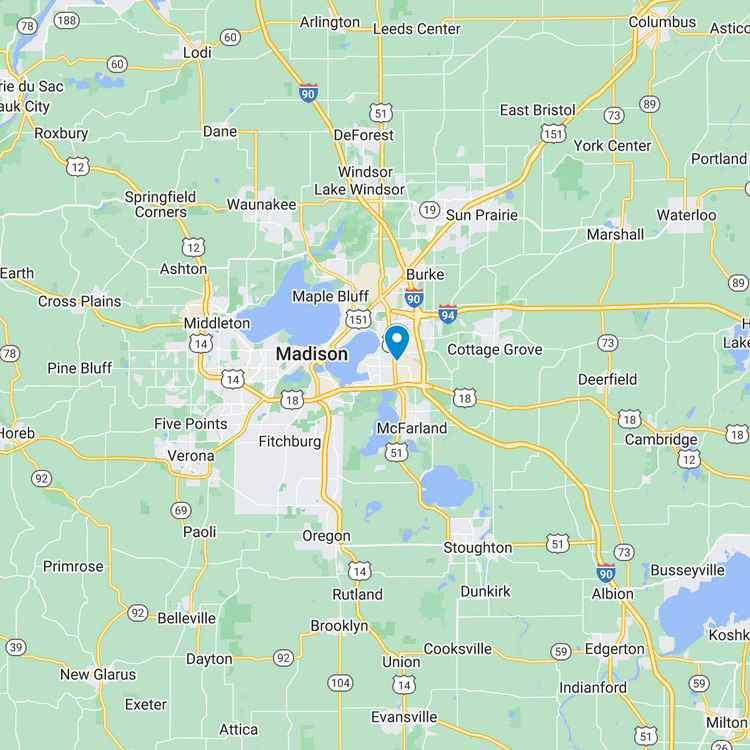
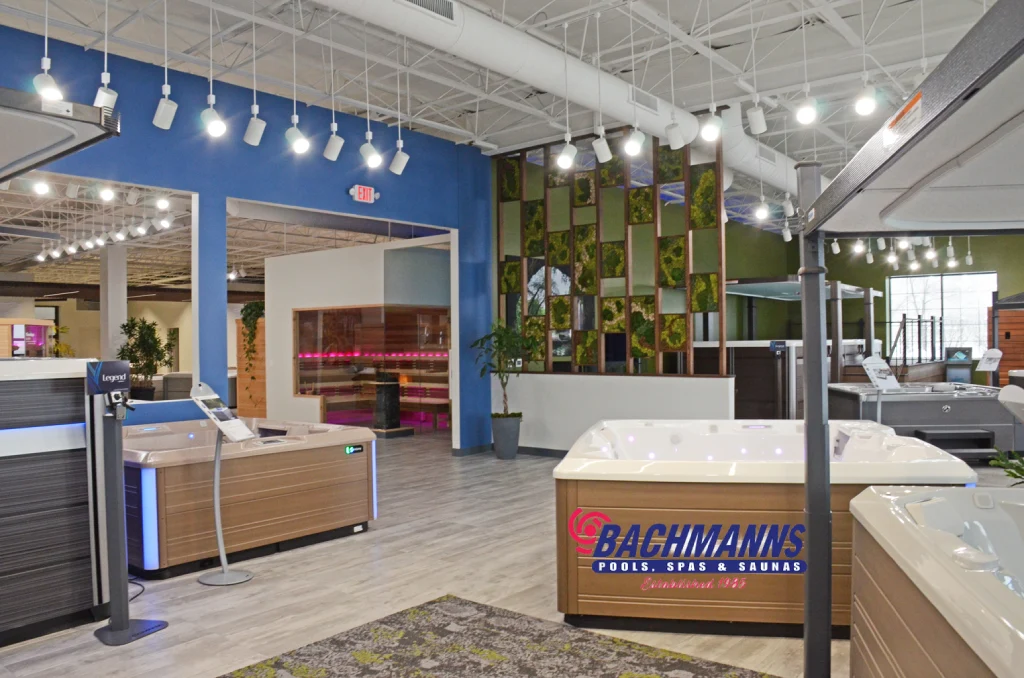
Bachmann Pools, Spas and Saunas has served Wisconsin for more than 40 years, with showrooms in Madison and Brookfield where customers can see and experience products before buying. The team takes a consultative, non-pushy approach and uses transparent pricing to help homeowners compare their options.
Explore Bachmann’s hot tub selection or visit a showroom to compare models, features, and ownership costs in person.
Related Post – Hot Tub Troubleshooting Guide
Hot Tub Cost Frequently Asked Questions
How much does hot tub installation cost?
There isn’t one universal hot tub installation cost. Your total depends on delivery access, site preparation, electrical requirements, permits, and whether special equipment such as a crane is required. A plug-and-play spa on an already suitable base can require far less installation work than a 220V spa that needs a new electrical connection and site preparation.
What is the average cost of a hot tub?
The average cost of a hot tub varies significantly by size, construction, insulation, jet and pump systems, features, brand, and warranty. Instead of relying on one average, compare entry-level ($5,499 – $12,999), mid-range ($13,999 – $26,499), and premium models ($17,499 – $27,999), and then add the delivery, installation, and ongoing ownership costs relevant to your home.