





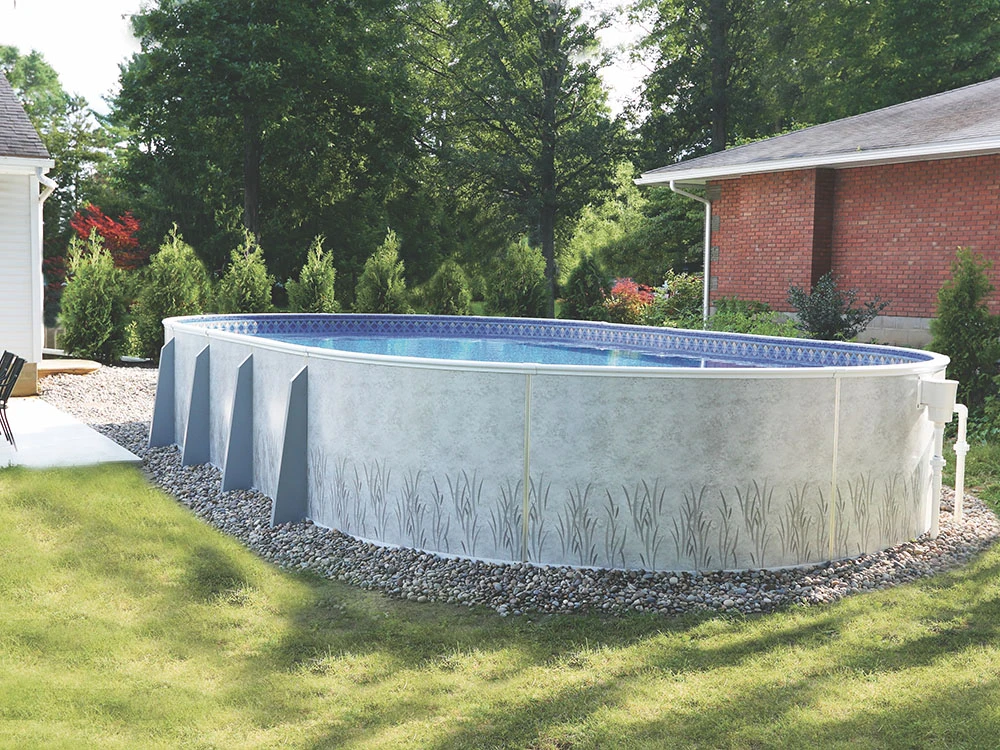
Becoming a first time pool owner is exciting. You’re investing in more than just a place to swim, you’re creating a backyard destination for relaxation, family time, exercise, and entertainment.
At the same time, buying a pool can feel overwhelming. There are different pool types, equipment options, maintenance requirements, and installation considerations to navigate. The good news? With the right planning, pool ownership is much simpler than many people expect.
This first time pool owner guide from Bachmann Pools, Spas & Saunas covers everything you need to know before buying one, including pool selection, essential equipment, maintenance basics, salt water systems, and winterization tips.
What to Consider When Deciding on a Pool
Choosing the right pool starts with understanding your goals, budget, and available space.
Pool Type Options
For a first time pool owner, above-ground pools often provide an affordable and practical entry point into pool ownership. They generally install faster and require a lower upfront investment than in-ground pools.
If you’re looking for a pool that offers exceptional versatility, Bachmanns’ Radiant Pools are an excellent choice. Unlike traditional concrete or fiberglass pools, Radiant Pools can be installed above ground, semi-inground, or fully inground, giving homeowners greater flexibility to suit their property and budget.
Radiant Pools’ insulated wall panels help improve energy efficiency, while the wide range of shapes, sizes, and customization options makes it easy to create a backyard that fits your lifestyle.
You can compare several Radiant Pool options to determine which style best fits your property and lifestyle.

Budget Considerations
One of the most common questions that pops into people’s minds when considering buying a pool is: How much does it cost to own a pool for the first year?
While costs vary based on pool size and type, first-year ownership typically includes:
- Pool purchase and installation
- Permits and site preparation
- Pool equipment
- Chemicals and water testing supplies
- Utilities
- Seasonal maintenance
In addition to installation costs, it’s important to budget for essentials such as a pool heater.
Yard Space and Local Regulations
Before purchasing, measure your available yard space carefully. Consider access points for installation equipment and leave room for decking, landscaping, and safety barriers.
Before installation begins, it’s a good idea to review your local zoning rules and permit requirements. The team at Bachmann’s can help you navigate the process, ensuring everything is in place for a smooth, hassle-free installation.
Intended Use
Think about how you’ll use your pool most often, whether it will be for family recreation, exercise and lap swimming, entertaining guests, pool spa relaxation, or cooling off during hot weather.
Your primary use can help determine the ideal size, depth, and features for your pool. For homeowners considering a premium in-ground installation, explore available in-ground pool options before making a final decision.
What to Do Before You Purchase Your Pool
Following a few key first time pool owner tips can save time, money, and frustration later.
Choose an Experienced Pool Installer
Working with an experienced pool company can make the entire process much easier, from selecting the right pool to completing the installation. With decades of experience, Bachmann’s helps homeowners choose the best pool for their property, budget, and lifestyle while providing professional installation and ongoing support.
The Bachmann’s team can also answer your questions, explain your options, and guide you through each step, helping ensure a smooth experience from planning to completion.

Understand Pool Equipment Needs
Pool equipment plays a major role in water quality and long-term operating costs.
Key components include:
- Pool pump
- Filtration system
- Sanitization system
When evaluating filtration options, you’ll typically choose between a sand filter and a cartridge filter. Both work well, but maintenance requirements differ.
Proper pump sizing is also important. An undersized pump may struggle to circulate pool water effectively, while an oversized unit can increase energy costs unnecessarily.
Plan for Installation Timeline
If you’re considering a vinyl liner pool, planning your installation timeline early can help ensure your pool is ready when you want to start enjoying it. Bachmann’s experienced team will guide you through every stage of the process, from selecting the right design to preparing your site and completing the installation.
The timeline for installation can vary depending on the pool design, site conditions, and weather, so scheduling your project ahead of the busy spring and summer seasons can help secure your preferred installation date and keep everything on track.
Review Warranties and Maintenance Support
Before signing a contract, review all warranty information carefully and ask whether ongoing maintenance programs are available.
Having professional support can make the learning curve much easier for first-time owners.
Related – Swim Spa Maintenance Guide
First Time Pool Owner Must-Haves
A successful pool season starts with a few essential tools and a simple maintenance plan.
Essential Equipment
Every list of first time pool owner must haves should include the basics: a telescopic pole, skimmer net, pool brush, pool vacuum, and a reliable water testing kit.
Just as important is having access to quality water care products that help maintain balanced, healthy pool water throughout the swimming season.

Safety Equipment
Pool safety should always come first. Bachmann’s offers a variety of pool safety accessories, including ladder kits, fence and gate systems, and the Radiant Inside Step, which provides easier and more secure access than a traditional ladder. There are also custom winter pool covers to help protect your pool during the off-season.
The American Red Cross recommends following established water safety practices to help create a safer swimming environment for everyone who uses your pool.
Maintenance Basics
For a first time pool owner, maintenance is fairly simple. Regular skimming, brushing, vacuuming, and water testing help keep your pool clean and running efficiently.
Monitoring pH, alkalinity, and sanitizer levels can prevent bigger issues and help extend the life of your pool equipment. For additional tools and supplies, browse available pool accessories designed to simplify pool ownership.
Salt Chlorination Systems
Many homeowners choose salt water systems because they offer a simpler approach to pool care while still keeping water clean and sanitary.
How Salt Water Pools Work
For a first time salt water pool owner, one common misconception is that salt water pools don’t use chlorine. In reality, they do. A salt chlorination system uses a salt cell to automatically convert dissolved salt into chlorine, reducing the need for frequent chemical additions.
Benefits of Salt Water Pools
One reason salt systems have become so popular is the swimming experience they provide. Many owners find the water feels softer on the skin and causes less eye irritation than traditional chlorine pools.
Salt systems can also reduce ongoing chemical costs, provide more consistent sanitization, and cut down on the amount of routine pool maintenance required throughout the season.
What to Monitor
While salt water pools are generally easier to maintain, they still require regular monitoring. Check salt levels (typically 2,700–3,400 ppm) and keep your water chemistry balanced. It’s also important to inspect the salt cell periodically and clean it about every three months to keep the system running efficiently.
Winterizing Your Radiant Pool
Proper winterization protects your investment and makes reopening your pool in the spring much easier. For owners of Radiant pools, taking the time to close your pool correctly before winter arrives can help prevent costly repairs and extend the life of your equipment.
Why Winterizing Matters
When temperatures drop below freezing, water left in your pool system can expand and damage components like the pool pump, plumbing lines, sand filter, and skimmers. Proper winterization helps protect your equipment during the off-season and makes spring reopening much easier.
Step-by-Step Winterization
- Balance pool water chemistry.
- Lower the water level below the skimmer.
- Drain the pool pump and sand filter.
- Add winterizing chemicals.
- Install a secure winter cover.
Many first-time owners often ask: Do I need to winterize my above ground pool?
If you live in a climate that experiences freezing temperatures, the answer is generally yes. Proper winterization helps protect both the structure and equipment from seasonal damage.
To learn more about available Radiant pools and customization options, explore Bachmann’s Radiant pools collection and pool finishing options.
Spring Reopening Tips
When reopening your pool:
- Remove and clean the cover
- Reconnect equipment
- Refill water if necessary
- Test and balance chemistry
- Inspect all equipment before operation
Summary
Owning a pool for the first time can be simple with the right equipment and a basic maintenance routine. According to Energy.gov’s 2026 Energy Saver guidelines, using a pool cover can reduce pool heating costs by 50% to 70%, making it one of the most cost-effective investments for new pool owners.
Whether you’re becoming a first time above ground pool owner or exploring fibreglass pools, plunge pools, or a pool spa, starting with a clear plan will help you get the most from your investment. Visit Bachmann’s in Madison or Brookfield for expert guidance, quality products, and support every step of the way.