






Cold Plunge After Sauna: Benefits of Contrast Therapy Explained
Cold plunge after sauna routines are everywhere right now, from pro sports recovery rooms to backyard wellness spaces and home gyms. Athletes, biohackers, and wellness-minded homeowners are increasingly pairing sauna heat with cold-water immersion as part of a complete recovery and resilience routine.
But this is not actually a new trend.
Alternating between heat and cold has been part of Nordic wellness culture for centuries. Finnish sauna traditions, winter lake plunges, and Russian banya practices all revolve around the same idea: exposing the body to controlled temperature extremes to support recovery, circulation, and overall well-being.
Today, many people refer to this practice as contrast therapy, hot and cold therapy, or the Nordic cycle.
This guide explains the benefits of cold plunge after sauna sessions, how to build a safe sauna cold plunge routine at home, and how homeowners in Madison and Brookfield can create a complete wellness setup using Tylö saunas and the Vigor Cold Plunge by Hot Spring® Spas.
What Is Contrast Therapy?
Contrast therapy involves intentionally alternating between heat exposure and cold exposure, usually a sauna session followed by cold-water immersion.
The basic physiological mechanism is surprisingly simple.
Heat causes blood vessels to expand, a process called vasodilation. Cold causes them to constrict, known as vasoconstriction. Cycling between those two states creates what many wellness professionals describe as a “vascular pump” effect that helps move blood, oxygen, and metabolic waste throughout the body more efficiently.
This repeated expansion and contraction is one reason sauna and cold plunge routines are often associated with improved circulation and recovery.
Historically, this practice was simply part of daily life in Nordic regions. Today, it has evolved into modern hot-cold contrast therapy routines performed in home wellness spaces, athletic recovery centers, and backyard spa environments.
For homeowners building a complete recovery setup, adding a cold plunge alongside a sauna creates a more complete contrast therapy experience.
The Benefits of Cold Plunge After Sauna
The growing interest in contrast therapy is driven largely by how people feel afterward: energized, calm, focused, and physically refreshed.
But there is also growing scientific interest behind many of the reported sauna cold plunge benefits.
Faster Muscle Recovery and Reduced Soreness
One of the most common reasons people use an ice bath after sauna sessions is muscle recovery.
Cold water immersion may help reduce inflammation and delayed-onset muscle soreness after exercise, which is why contrast therapy is especially popular among athletes and fitness enthusiasts.
Research on cold water immersion and recovery continues to explore how cold exposure influences recovery markers, inflammation, and exercise adaptation.
For many users, the combination of deep heat followed by rapid cooling simply leaves the body feeling noticeably fresher and less fatigued.
Improved Circulation and Cardiovascular Conditioning
The repeated vasodilation and vasoconstriction involved in hot and cold therapy act almost like exercise for the vascular system.
Sauna use itself has already been associated with significant cardiovascular benefits. A large review on sauna bathing and cardiovascular health found that regular sauna bathing was linked to improved cardiovascular function, lower hypertension risk, and reduced all-cause mortality.
Finnish studies involving more than 2,000 middle-aged men found that people using saunas 4–7 times weekly had significantly lower rates of sudden cardiac death and fatal cardiovascular disease compared to once-weekly users.
When cold immersion is added after the sauna, many people describe the contrast as creating a feeling of total-body circulation and renewed energy.
Mood, Focus, and Stress Resilience
One reason people become so consistent with contrast therapy is how it affects mood and mental clarity.
Cold-water exposure has been shown to dramatically increase norepinephrine and dopamine levels. Research published in Neuroscience Letters found that brief cold exposure increased circulating norepinephrine by 200–300% and dopamine by roughly 250%.
That neurochemical response helps explain the alertness and “post-plunge high” many users report after a cold plunge sauna routine.
At the same time, sauna heat promotes relaxation and parasympathetic nervous system activation. Together, the contrast creates what many people experience as a powerful nervous-system reset.
Better Sleep
Many homeowners notice improved sleep quality after evening sauna and cold plunge sessions.
Part of this may come from how the body naturally cools before sleep. Heat exposure followed by cooling helps mimic that natural temperature drop, which may support deeper rest when done earlier in the evening.
The calming effect after a full sauna recovery session is one reason many users build contrast therapy into their evening routine several times per week.
Immune Support and Metabolic Activation
Researchers are also exploring how heat shock proteins, cold shock proteins, and brown fat activation may influence metabolic health and recovery.
Cold exposure appears to stimulate brown adipose tissue activity, while sauna heat triggers protective heat shock responses throughout the body.
Much of this research is still developing, but these pathways are part of why hot-cold contrast therapy continues attracting attention in longevity and wellness circles.
How to Build a Sauna and Cold Plunge Routine at Home
For beginners, the simplest rule is this: sauna first, cold plunge second.
The goal is to heat the body deeply before introducing cold exposure.
A beginner-friendly sauna cold plunge routine usually looks something like this:
- 10–15 minutes in the sauna
- 1–2 minutes in the cold plunge at roughly 45–60°F
- 2–3 minutes resting at room temperature
- Repeat for 2–3 total rounds
Many people prefer ending on cold because of the strong alertness and energy boost afterward.
Most homeowners begin with 2–4 sessions per week and gradually increase frequency as they adapt to the contrast.
Safety matters here. Contrast therapy places real stress on the body.
Never combine sauna and cold plunge use with alcohol. People with cardiovascular conditions, uncontrolled blood pressure, or pregnancy concerns should consult a physician before starting. Beginners should also avoid plunging alone initially and should stop immediately if they experience dizziness or pain.
For homeowners new to cold exposure, Bachmann’s Cold Plunge Q&A for beginners is a helpful starting point.
Choosing the Right Sauna for Contrast Therapy
Almost any sauna can anchor a contrast therapy setup, but different sauna styles create slightly different experiences.
Traditional Saunas

For the classic Nordic cycle, traditional saunas remain the most authentic option.
Higher temperatures, usually around 150–195°F, create the intense pre-plunge heat many contrast therapy users prefer.
Tylö collections such as Halmstad™ and Reflection™ combine Hemlock, Aspen, Valchromat®, IntelliAir™, and Bliss Controls with Sense and Crown heaters for a highly customizable experience.
Infrared Saunas

For homeowners who prefer gentler heat, infrared saunas provide a softer entry point into contrast therapy.
The Kiruna™ Collection uses CarbonFlex® infrared panels and lower operating temperatures, usually around 120–150°F, while still pairing effectively with cold immersion.
Outdoor Saunas

Outdoor contrast therapy feels especially natural in Wisconsin’s four-season climate.
A Tylö outdoor sauna setup paired with a cold plunge creates the closest thing to a traditional Finnish-style ritual, especially during colder months.
Tylö’s Lulea™ Collection includes all-season insulation, metal roofing, and outdoor-ready construction designed specifically for year-round climates.
Related Post – Standard Sauna Sizes
The Vigor™ Cold Plunge Completes the Routine

A dedicated cold plunge removes much of the inconvenience that prevents people from staying consistent with contrast therapy.
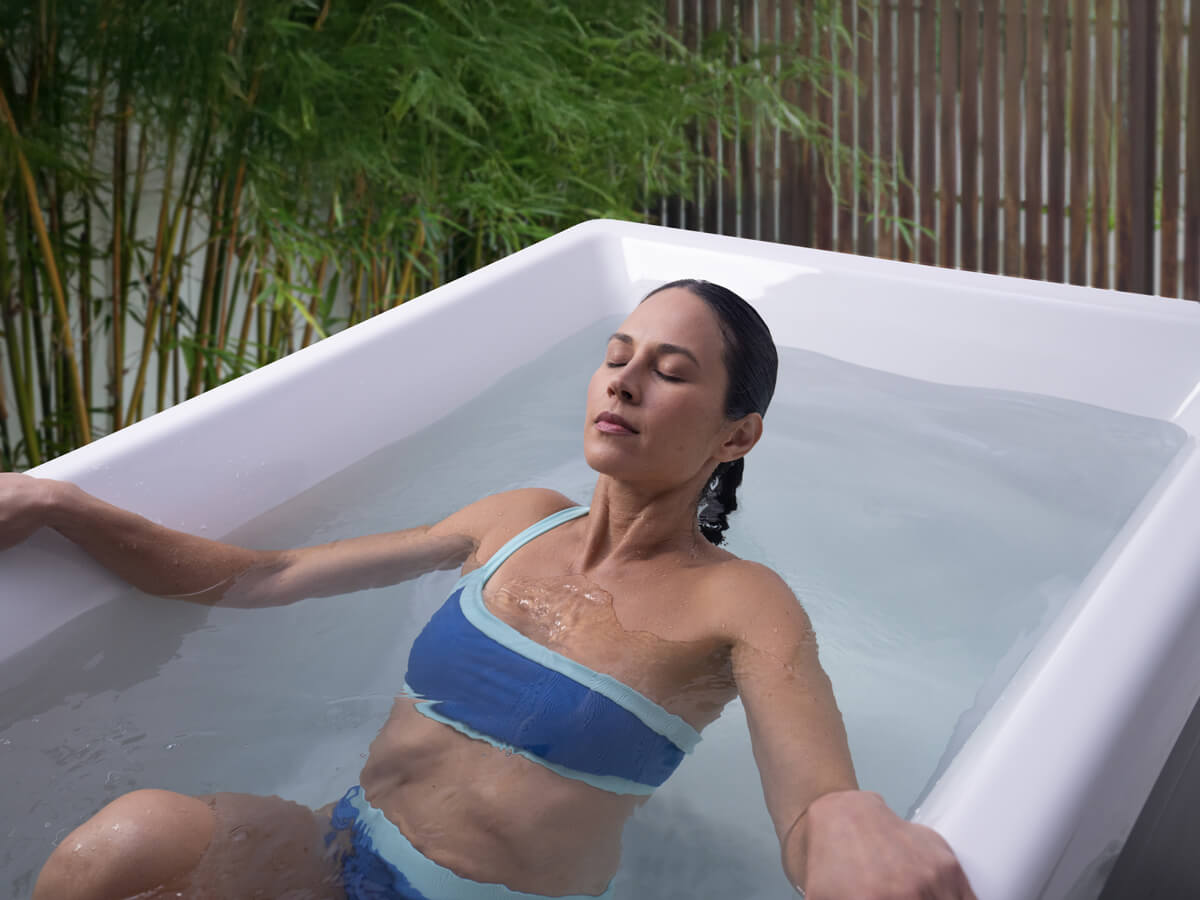
The Vigor Cold Plunge by Hot Spring® Spas is designed specifically for repeatable, at-home cold immersion.
Its advanced cooling system maintains temperatures from approximately 40°F to 80°F without hauling ice or manually refreshing water.
Other features include:
- Ultra-quiet circulation and filtration
- Multi-density insulation for thermal efficiency
- Plug-n-Play 115V/15A power
- Indoor or outdoor installation capability
- Ergonomic immersion design
Because temperature remains stable automatically, the plunge becomes dramatically easier to use consistently compared to makeshift ice baths.
That consistency is ultimately what makes a sauna and cold plunge routine sustainable long-term.
Cold Plunge After Sauna FAQs
Should you cold plunge before or after the sauna?
After. Heat first, then cold immersion.
How long should beginners stay in the cold plunge?
Usually 1–2 minutes initially. More experienced users may stay longer.
How cold should the plunge water be?
Most people begin between 45–60°F.
Is contrast therapy safe?
For most healthy adults, yes. However, people with cardiovascular or medical concerns should speak with a healthcare provider first.
Do I need a dedicated cold plunge tub at home?
Not necessarily, but a dedicated plunge provides more consistent temperatures and full-body immersion compared to cold showers or improvised ice baths.
Build Your Contrast Therapy Setup at Bachmann
Cold plunge after sauna routines combine two proven wellness practices into one of the most effective recovery and resilience rituals available today.
The contrast between heat and cold supports circulation, recovery, mood, focus, and overall well-being while creating a deeply restorative experience that many homeowners quickly turn into a regular habit.
Bachmann offers complete contrast therapy setups featuring premium saunas, including traditional, outdoor, and infrared Tylö models, along with the Vigor™ Cold Plunge by Hot Spring® Spas.
For homeowners in Madison and Brookfield looking to create a complete wellness space at home, Bachmann provides expert guidance for sauna maintenance, installation support and ongoing service to help build a sauna and cold plunge setup that fits both your goals and your space.